
Fidar Steel RadSpoota
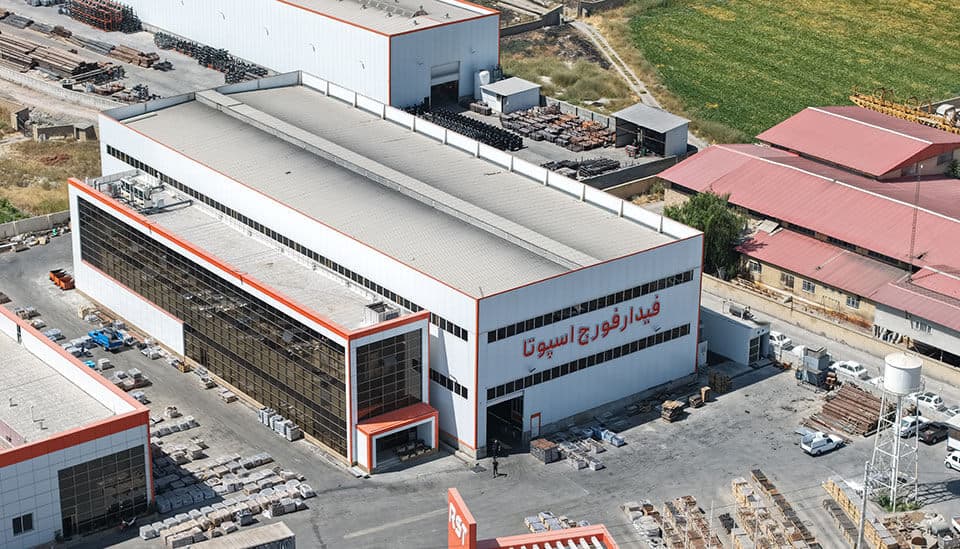
Fidar Forge Spoota: committed to quality
Fidar Forge Spoota uses modern forging and machining equipment — presses from 250 to 2,500 tons, industrial hammers and precise induction furnaces — to produce high-quality steel and alloy components. With complementary equipment such as band saws, shot blasting and advanced quality control systems, it makes precise, durable parts for the automotive, oil and gas, machine-building and heavy industries, relying on modern technology and a skilled workforce.
Forged parts by Spoota
Capabilities of Fidar Forge Spoota
High-volume production with fast delivery
With advanced equipment, efficient production lines and an experienced workforce, Fidar Forge Spoota can handle large orders in the shortest possible time. This high capacity, combined with precise process management, ensures on-time delivery and customer satisfaction.
Frequently asked questions
1What is forging?+
Forging, or smithing, is a process in which metal is shaped by pressure or blows. It can be done at high temperature (hot forging) or at room temperature (cold forging).
More in “What Is Forging?” →2How does forging differ from casting?+
Forging and casting are both ways of making metal parts, but they differ mainly in the internal structure and mechanical properties of the part. In forging, the metal's grain is oriented and compacted, increasing strength, toughness and resistance to impact and fatigue. In casting, the metal takes shape in the mould as it solidifies and the grain is random, which can lead to porosity and lower strength. In short, forging suits highly stressed, critical parts, while casting suits complex parts with difficult geometry.
More in “Forging Compared with Other Methods” →3What is the difference between hot and cold forging?+
In hot forging the metal is heated to a high temperature and is easier to shape, but the heat must be controlled. In cold forging the metal is shaped at room temperature, which increases its strength and hardness, but shaping is harder.
More in “What Is Forging?” →4What materials are used in forging?+
Steel, aluminium, copper, brass and some special alloys are commonly forged. The choice depends on the application and the properties required.
More in “What Is Forging?” →5Which industries use forged parts most?+
Industries that need the highest levels of safety, strength and durability: automotive (crankshafts, connecting rods), aerospace (turbine blades, airframe parts), oil and gas (flanges, high-pressure valves) and heavy machinery are the main users of forged parts.
More in “Why Forging Matters Across Industries” →6Is forging used for small parts too?+
Yes. Forging is used for a wide range of sizes — from very small, precise fittings in medical tools to large crankshafts in diesel engines.
More in “Why Forging Matters Across Industries” →